Wildfire Season: How We Protect Our Health & Home
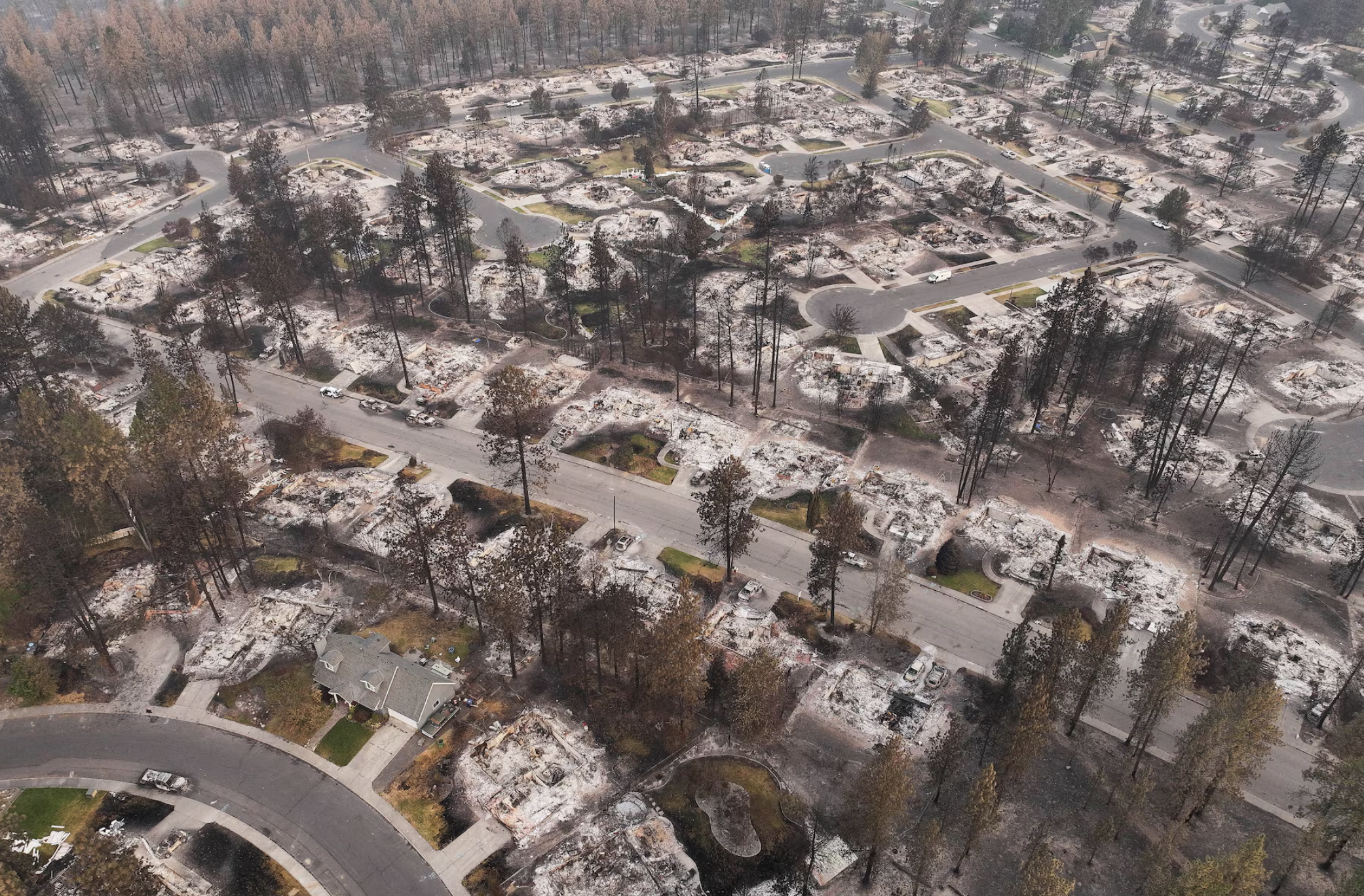
Drone footage. Indian Trails Fire. Spokane, WA. Source: www.reuters.com
Wildfires Affect Us All
About three weeks ago my hometown, Spokane, Washington, made national headlines in the worst way. A “wildfire” that took out nearly 1,000 structures including homes and businesses. Over 700 families lost their homes — four families I know personally.
This was the most destructive “natural” disaster in Spokane history, with over $1 billion in damages.
I use quotes for “wildfire” and “natural” because it was anything but a spontaneous occurrence from Mother Nature.
Aaron Farinacci, 37, is accused of (and admitted to) intentionally starting the Old Trails Fire, the most destructive of the three Spokane-area fires. He reportedly told investigators that he had planned it for weeks, researched weather conditions so he could choose a day with strong winds and low humidity, researched a serial arsonist, and experimented with a time-delay ignition method.
This is a special type of evil, in my opinion.
With this many homes, chemical-filled garages, vehicles burning the air we breath becomes toxic.
[Side Note] If you’d like to donate directly to the 700+ Spokane families that were devastated by this fire, you can do that HERE.
Three weeks prior to the devastating Spokane fires, my husband and I were losing sleep over a massive fire in Sedona, Arizona. Our brand new (almost completed) custom home sat just a couple miles from the angriest part of it all.
27,393 acres burned in the Sedona area. At its peak, nearly 1,300 firefighters and support personnel were working to contain the Pocket Fire.
Even without despicable acts of arson, wildfires now seem to dominate every summer, in multiple areas of the U.S. and other parts of the world. It’s odd that until about ten years ago, I do not remember ever hearing about or discussing “fire season,” do you?
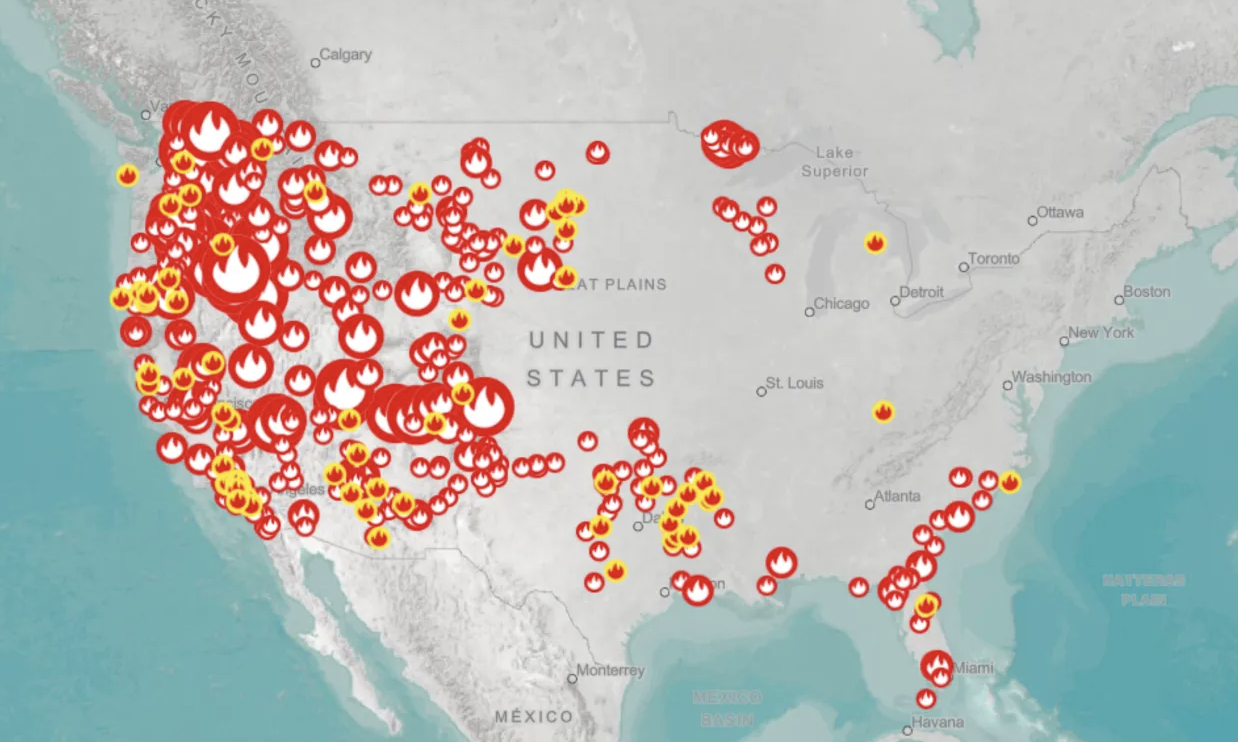
American Wildfire Tracking Map. Source: Newsweek.com
Yet in the span of just two weeks, our brand new Sedona home AND my parents in-law’s Spokane home were both extremely close to burning. We all spent too many days this summer obsessively checking our fire app updates, talking about what-ifs, and praying that the thousands of fire personnel could get it contained.
If your home has ever been threatened by wildfire, if you’ve ever been evacuated, you know the feeling of the helplessness that consumes your mind.
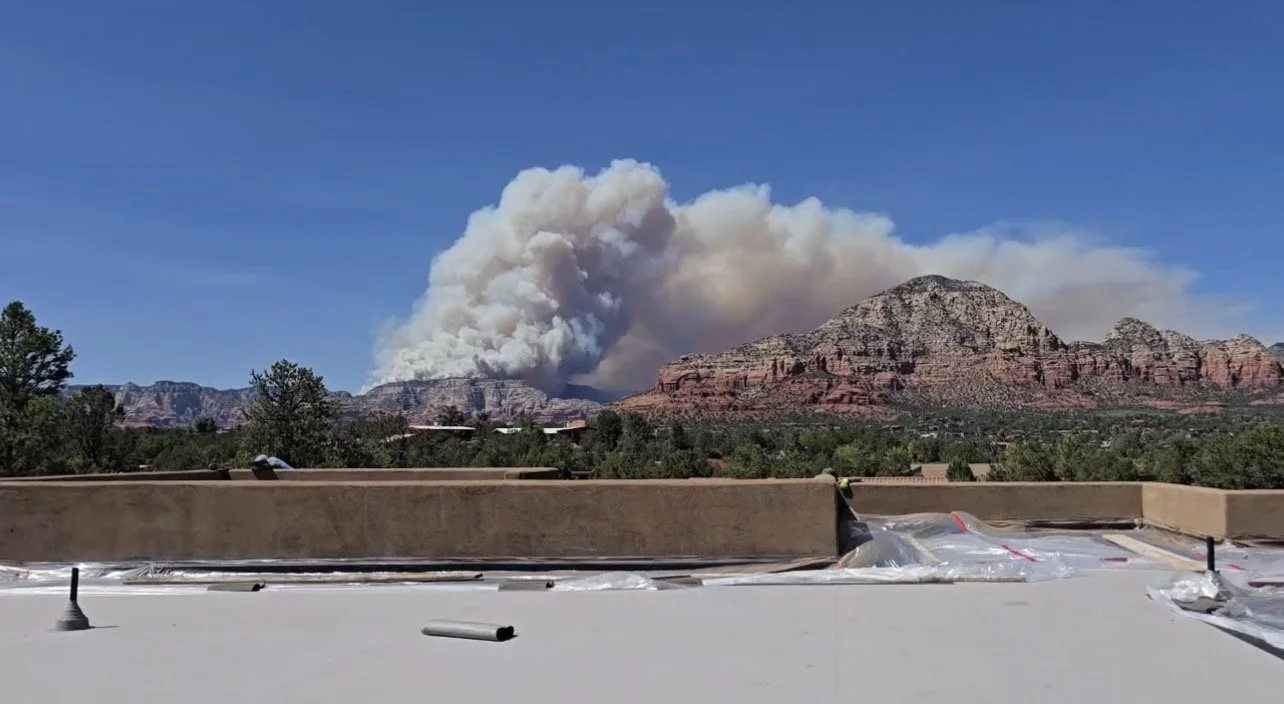
From the rooftop of our new home. Sedona Pocket Fire. 8/25/26.
I’m not here to discuss the why of it all — arson, accidents, global weather shifts, man’s mismanagement of the earth, or random acts of nature. I want to share what we do as a family to protect ourselves, our health and our home.
I’ll also be hoping and praying that these things and this blog post becomes less and less necessary in future years. Until then…here’s what we do.
Protect The Air Your Breathing
Stay indoors when necessary. Pay attention when Air Quality Index (AQI) climbs above 100. At 101–150, children, pregnant women, older adults, and people with heart or lung conditions should reduce outdoor exposure. Once AQI reaches 151+, b, and it’s smart to limit time outdoors, keep windows and doors closed, and run your indoor air filtration.
Use an air purifier likeThe Air Doctor. Make sure you research the correct size for your home/space, and have replacement filters on hand.
Keep a package of N-95 masks around. If you have to go outside when wildfire smoke is bad, a properly fitted N95 can substantially reduce exposure to the fine particles in smoke. Bandanas and ordinary masks aren't adequate substitutes.
Upgrade your HVAC filter to MERV 13 (if your system can handle it). Smoke particles get inside your home through the vents and any time you open a door. So this complements the AirDoctor. During wildfire season, EPA recommends MERV 13 or the highest efficiency your HVAC system can accommodate, setting the system to recirculate and running the fan more continuously.
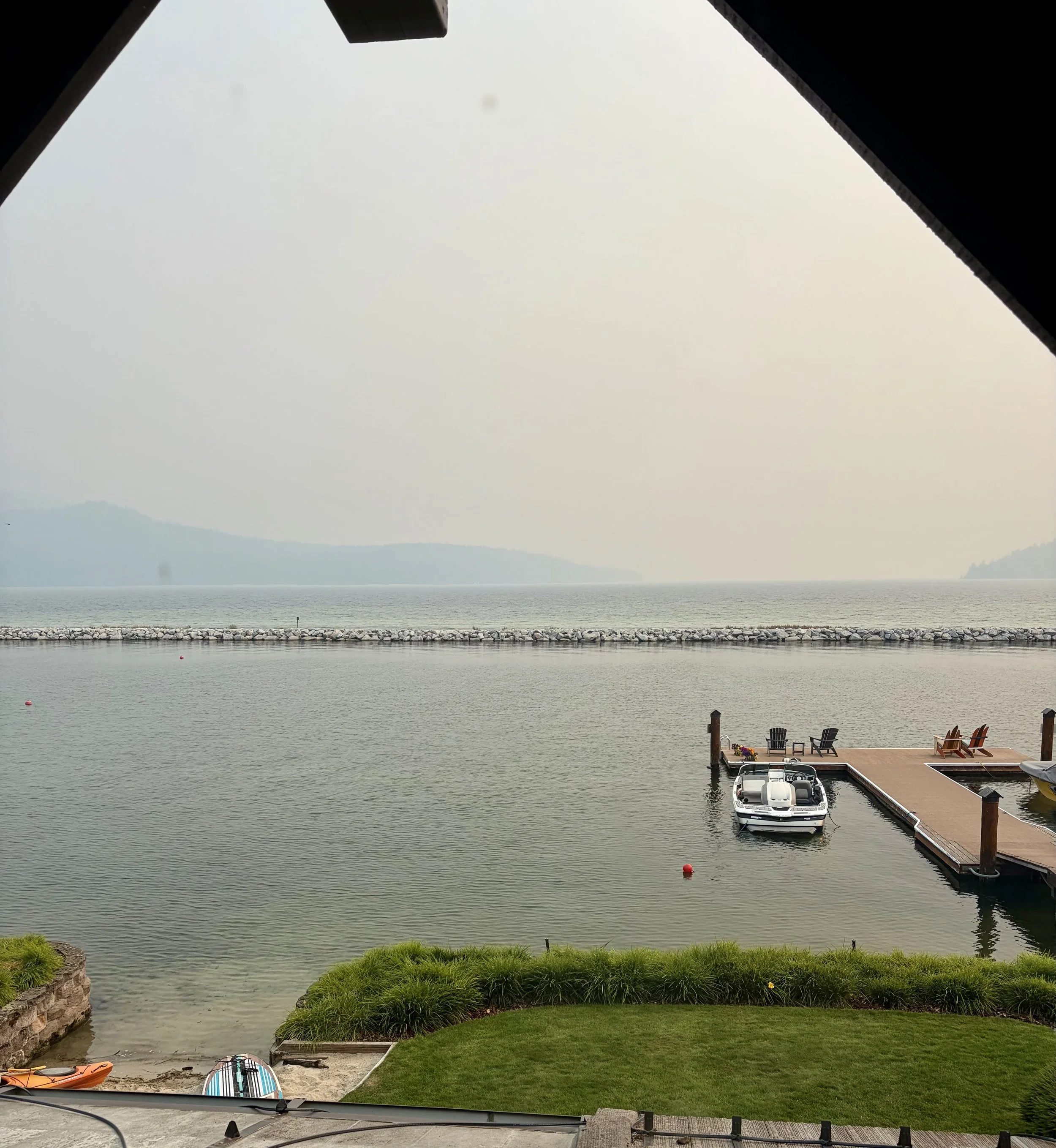
What you see suspended in the air is going straight into our lungs. AQI 250.
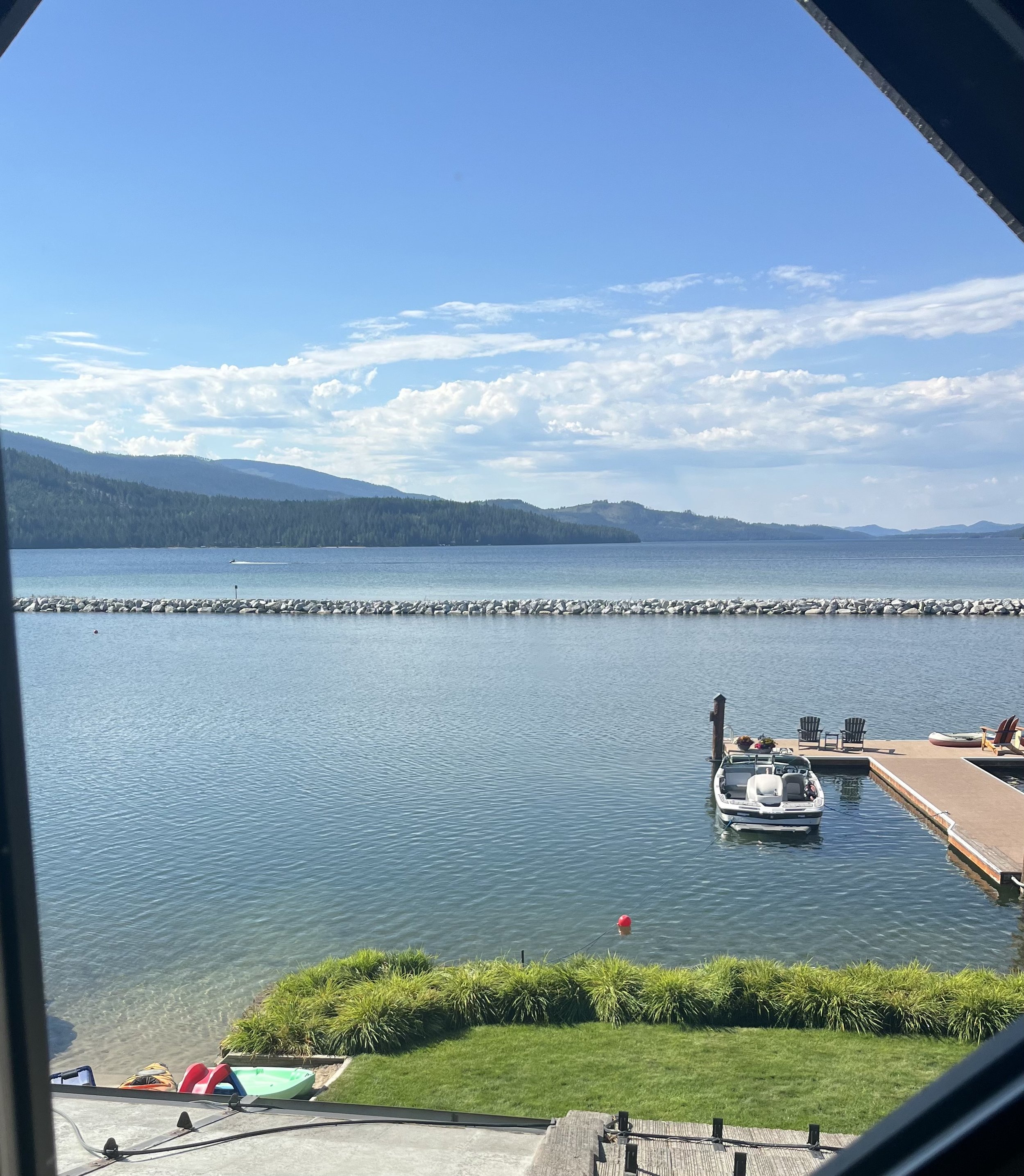
View from our family lake home with no smoke.
Protect Your Filtration & Detox Pathways
Immune Intel AHCC®. Your liver is one of your body's primary filtration and processing organs. AHCC® has been studied for its ability to support antioxidant defenses and healthy inflammatory signaling in the liver. Interestingly, some of the first and most robust scientific research on AHCC® has shown significant liver support. I take this year round and double my dose during wildfire season, stressful times, travel or around someone sick. You can find it HERE.
Glutathione. This is one of the body's most important endogenous antioxidants and plays a direct role in normal liver detoxification. It’s also one of those that warrants some supplement snobbery because it’s notoriously hard to absorb orally. Which is why I use Organifi’s Liposomal Glutathione. (Discount code: MIMIFIT) Liposomal glutathione is essentially glutathione wrapped in a tiny protective layer of fat, which helps protect it during digestion and improves how well your body can absorb and use it.
Get Whole-Home Water Filtration. Don’t forget about your water! Wildfire pollution isn’t limited to the air. Ash, soot, sediment, metals, and other contaminants can make their way into water sources, especially when rains over recently burned areas. A high-quality whole-home filtration system adds another layer of protection by reducing particulates and contaminants before that water ever reaches your faucet. We outfitted our new home with the best water filtration, mineralization & structuring devices we could find, because it’s THAT important. Find those products HERE. (Discount: MEDICIN)
Nasal saline rinse after smoke exposure. Wildfire particles irritate the nose and upper airway. We use saline rinses to physically flush out deposited particles and allergens and keep nasal tissues moist. You can find the one we use HERE.

Airways. Liver. Water — protect them!
Defend Your Home
Assess the first 5 feet off your home. This is arguably the biggest one. Keep the area immediately around the house free of dry leaves, pine needles, dead vegetation, firewood, mulch, and other combustible material. During many wildfires, wind-blown embers, rather than a wall of flame, are what ignite homes.
Keep your roof and gutters clean. Embers can travel miles ahead of a wildfire and collect in gutters, roof valleys, decks, and other little pockets. Dry pine needles and glowing embers is obviously a bad combination.
Consider exterior home sprinklers. Services like Frontline Wildfire Defense install sprinklers and extinguishing foam around your house such that it becomes too wet to burn. We do not have these installed yet, but after this summer’s close call, you can bet we are having the conversation. It’s not a small purchase, but if your home is a high risk property, like ours is, it’s worth looking into. The peace of mind alone, it’s well worth the cost in my opinion.
Have an evacuation/go plan. This technically isn't defending the structure, but it’s critical if you live in a fire hazardous zone. And really, even if you don’t. (With the most recent Spokane fire, people I know personally said they had MINUTES to evacuate. Some left their home without shoes on their feet.) Important documents, medications, pet supplies, chargers, water, extra clothes, N95s, etc. should be easy to grab. Know your evacuation routes before you need them. You really just never know.
I really hope we as a species can figure out fire in my lifetime — states preparing and protecting their land better, finding new effective ways to fight fire, and addressing the mental health issues that lead to arson. I’m not holding my breath, but a girl can dream.
For now, wildfire has the potential to affect us all.
If you live in a fire hazardous zone, I hope this blog inspires you to take some action in protecting your home and health against this beast. Choose one thing today. Grab some Immune Intel AHCC® or clean out those gutters you’ve been avoiding, or discuss an evacuation plan with your family.
Fire is one of the most prominent areas where “better to be safe than sorry” applies dramatically. You just really never know.